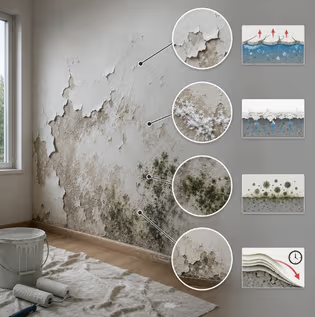
Damp walls are one of the most persistent and frustrating problems faced by homeowners across India. Monsoon season, poor waterproofing, inadequate ventilation, and ground-level moisture all contribute to walls that hold water, develop stains, and refuse to take paint properly. Many homeowners, in their urgency to restore a room’s appearance, make the critical mistake of painting over damp walls without addressing the underlying cause. The result is almost always the same: bubbling, peeling, mould, and a wall that looks worse than before. At Narandas & Sons, we want to make sure you understand exactly what to do and what to avoid before a single brush touches a damp surface.
Why You Cannot Simply Paint Over Damp Walls
Painting over damp walls without treatment is the interior equivalent of putting a bandage over an untreated wound. Paint requires a clean, dry, stable surface to adhere correctly. When moisture is present whether actively seeping through or trapped within the plaster it creates a barrier between the paint film and the wall surface. The paint may appear to go on well initially, but within weeks or months it will begin to blister, crack, and peel away. Worse, the trapped moisture continues to promote mould and salt crystallisation (efflorescence) beneath the paint surface.
Step 1: Identify the Source of Dampness
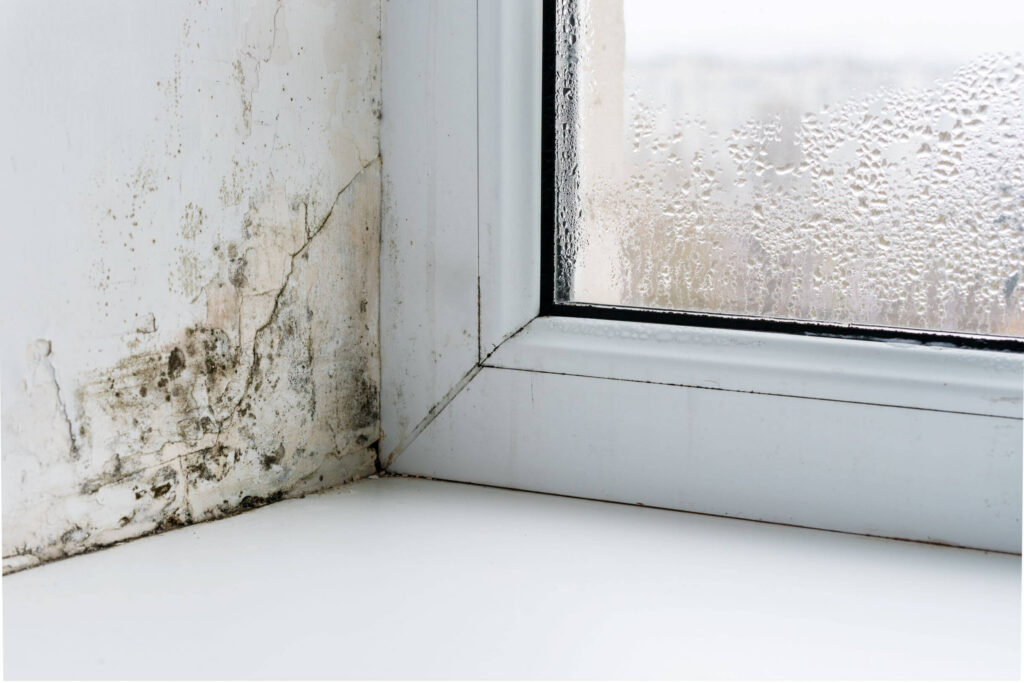
The first step in any damp wall treatment before painting is identifying where the moisture is coming from. The three most common sources are: rising damp (water travelling upward through the wall from the ground), penetrating damp (water entering through cracks, poorly sealed windows, or inadequate exterior waterproofing), and condensation (moisture forming on cold wall surfaces from warm interior air). Each requires a different treatment approach. Without identifying and addressing the source, no paint product not even the best waterproof paint for damp walls India has available will provide a lasting solution.
Step 2: Allow the Wall to Dry Completely
Once the source of dampness has been addressed, cracks sealed, drainage improved, ventilation increased the wall must be allowed to dry out fully before any painting work begins. Depending on the severity of the dampness and the ambient humidity, this can take anywhere from a few days to several weeks. Use a moisture meter to confirm that the wall’s moisture content has dropped to an acceptable level before proceeding. Rushing this stage is the single most common cause of paint failure on previously damp walls.
Step 3: Treat the Surface
How to fix damp walls before painting involves more than just drying them out. Once dry, inspect the wall for existing mould growth, salt deposits, and damaged plaster. Brush away efflorescence with a stiff dry brush and treat any mould with an appropriate anti-fungal solution. If the plaster is soft, crumbling, or hollow-sounding, it will need to be replaced before painting can proceed. Attempting to paint over compromised plaster is another common and costly mistake.
Apply a damp seal or alkali-resistant primer as the first coat. This creates a barrier that prevents any residual moisture or salts from migrating into the topcoat. Narandas & Sons stocks a comprehensive range of specialist primers and sealers suited to this purpose.
Step 4: Choose the Right Paint
Once the wall is fully dry, treated, and primed, choosing the right topcoat is critical. Waterproof paint for damp walls India offers in today’s market is significantly more advanced than it was a decade ago. Products with anti-fungal additives, moisture-resistant binders, and breathable film technology are ideal for walls that have had damp issues they prevent moisture lock-in while repelling surface water. Textured and masonry paints also perform well on exterior-facing walls that may continue to experience some level of moisture exposure.
Prevention Is Always Better Than Cure
The best approach to painting over damp walls is, ultimately, to prevent the dampness from recurring at all. This means investing in quality waterproofing at the construction stage, maintaining exterior drainage, sealing roof edges and window surrounds, and ensuring adequate ventilation in bathrooms and kitchens the most common sites of condensation damp. Damp wall treatment before painting is always less expensive than repainting a room that has failed prematurely.
At Narandas & Sons, we carry everything you need for a complete damp treatment and painting solution from primers and sealers to high-performance waterproof paint for damp walls India homeowners can rely on. Our team can advise you on the right product sequence for your specific situation, so your walls stay beautiful for years to come