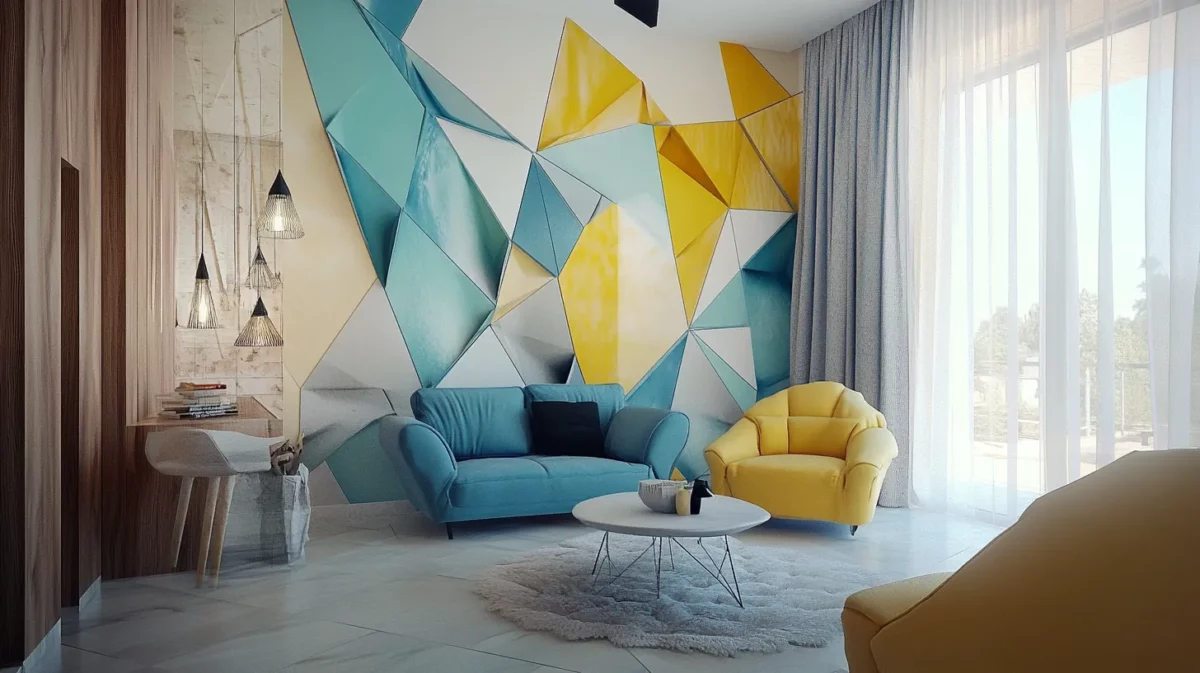
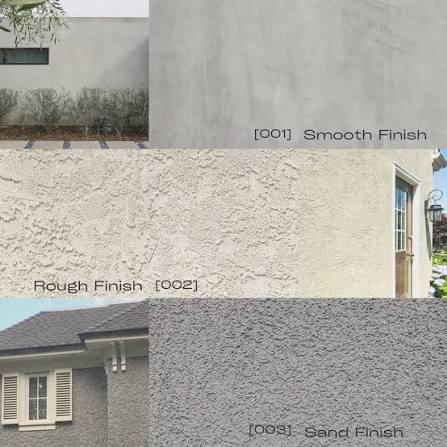
Walk into most Indian homes and you will encounter one of two wall experiences: a silky-smooth painted surface that reflects light evenly, or a subtly textured, grainy finish that catches light with an organic warmth. These are the two most common types of wall finish paint India uses across residential interiors , and choosing between them is one of the first and most consequential decisions in any painting project. The sand finish vs smooth finish walls debate does not have a universal right answer, but it does have clear logic that this guide will help you navigate.
What Is a Smooth Wall Finish?
A smooth wall paint finish India is exactly what the name suggests: a flat, even, texture-free painted surface achieved through careful plaster preparation, appropriate priming, and the application of a fine-formula emulsion. Smooth walls require meticulous surface preparation , every crack, dent, and imperfection must be filled and sanded before painting, because the lack of texture means there is nothing to disguise surface flaws. When done well, smooth walls create a clean, contemporary, almost architectural look that is particularly at home in modern interiors.
What Is a Sand Finish?
Sand texture paint India achieves its distinctive grainy, tactile surface by incorporating fine aggregate particles into the paint formulation. When applied and dried, these particles create a surface that catches and scatters light in a way smooth paint cannot, giving walls depth, warmth, and a subtle three-dimensional quality. Sand finish is also significantly more forgiving than smooth finish , the texture naturally conceals minor surface imperfections, making it a practical choice for older plaster or walls that are not perfectly flat.
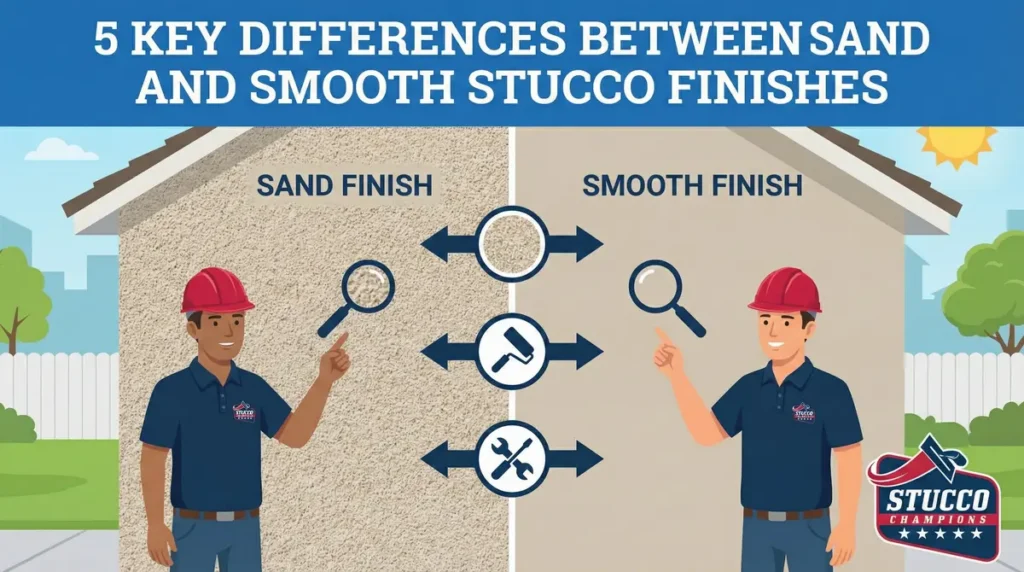
Sand Finish vs Smooth Finish Walls: A Direct Comparison
Aesthetics and Style
The smooth vs textured wall paint decision is fundamentally one of design language. Smooth finishes align with minimalist, contemporary, and Scandinavian-influenced interiors where clean lines and uninterrupted surfaces are the aesthetic priority. Textured wall paint ideas India favours for more traditional, warm, or rustic interiors includes sand finish and similar granular textures that add visual complexity and a sense of craft.
Neither is inherently superior , they belong to different design conversations. A smooth wall finish India in a sleek apartment with polished concrete floors and minimal furniture is entirely appropriate. The same finish in a traditional Indian home with carved wooden furniture and rich textiles might feel clinical and cold. The reverse is equally true: a sand finish in a contemporary minimalist home can feel incongruous and dated.
Practical Performance
As wall finish options for home, smooth and sand finishes have different practical profiles:
- Cleaning: Smooth walls are easier to wipe down and clean , there are no recesses for dust or grime to settle in. Sand texture paint India holds more dust over time and can be harder to clean without scuffing the surface.
- Durability: Both finishes, when applied with premium-quality paint, offer excellent durability. However, textured finishes can be harder to touch up seamlessly , a patch repair on a sand-finish wall is more visible than on a smooth wall.
- Surface disguise: Sand texture paint India excels at hiding wall imperfections. If your walls have minor cracks, uneven plaster, or old filler patches, a textured finish will conceal them far more effectively than a smooth one.
- Light interaction: Smooth wall paint finish India reflects light evenly and makes rooms feel brighter. Sand finish scatters light in multiple directions, creating a warmer, softer glow.
Cost and Application
In terms of the decorative wall finish comparison between the two, smooth walls typically require more preparation time and skill , perfectly smooth surfaces need more rounds of filling, sanding, and priming. Sand finish is quicker to apply and more forgiving of imperfections in the base surface. However, the best wall finish for interiors is always the one executed with quality paint and proper technique.
Which Wall Texture Finish India Suits Each Room?
A practical room-by-room guide to types of wall finish paint India for common spaces:
- Living room: Both work well. Smooth for modern, minimalist interiors; sand finish for traditional or warmth-focused rooms.
- Bedroom: Smooth finish creates a restful, clean backdrop; sand finish adds tactile warmth , particularly appealing in master bedrooms.
- Kitchen and bathroom: Smooth finish is strongly recommended , easier to clean and less hospitable to moisture and bacteria.
- Hallways and stairwells: Sand texture paint India is practical here , these high-traffic areas scuff and mark easily, and the texture helps disguise minor damage.
- Children’s rooms: Smooth washable paint is the practical choice where walls will be drawn on, scuffed, and wiped down regularly.
The Bottom Line
The sand finish vs smooth finish walls decision should be guided by your room’s function, your home’s design aesthetic, the condition of your existing walls, and your preference for ease of maintenance. Neither option is wrong , both are valid expressions of good interior design when executed with quality products. At Narandas & Sons, we stock the full range of wall finish options for home including premium sand texture paint India, smooth emulsions, and decorative wall finish comparison guidance from our experienced team. Visit us to find the finish that is right for your home.