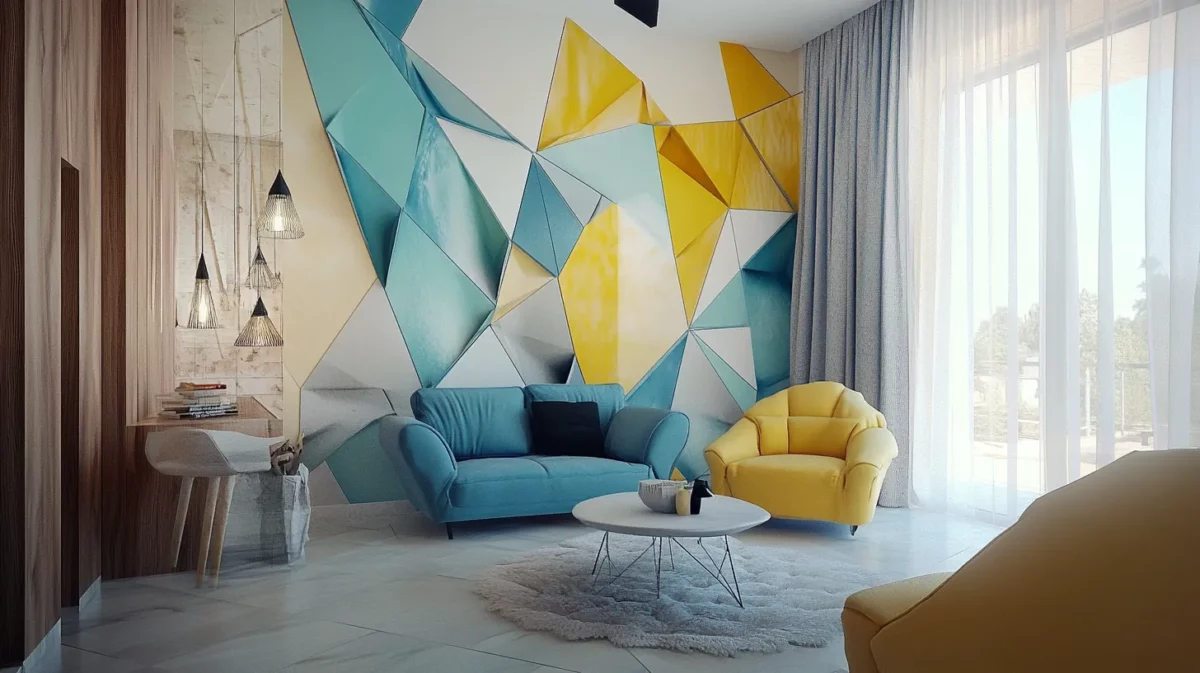
There was a time, not too long ago, when Indian homes proudly wore their walls like art canvases. Textured surfaces, layered colour, the subtle play of light against a dimpled finish these were not accidents. They were the result of skilled hands applying time-honoured faux finish techniques that transformed ordinary plaster into something deeply personal. Today, as open-plan interiors and minimalist aesthetics have taken centre stage, these wall painting styles interior have quietly slipped out of trend. But at Narandas & Sons, we believe they deserve a powerful comeback.
What Are Faux Finish Techniques?
The term ‘faux’ is French for ‘false’ and faux finish techniques are methods of painting that mimic the appearance of texture, material, or depth without actually using those materials. Unlike flat emulsions, these approaches use tools like sponges, rags, brushes, and combs to create layered, dimensional results. They belong to the broader family of decorative paint effects India has only recently begun to rediscover after decades of leaning heavily on plain emulsion.
Sponging: Organic, Effortless, Timeless
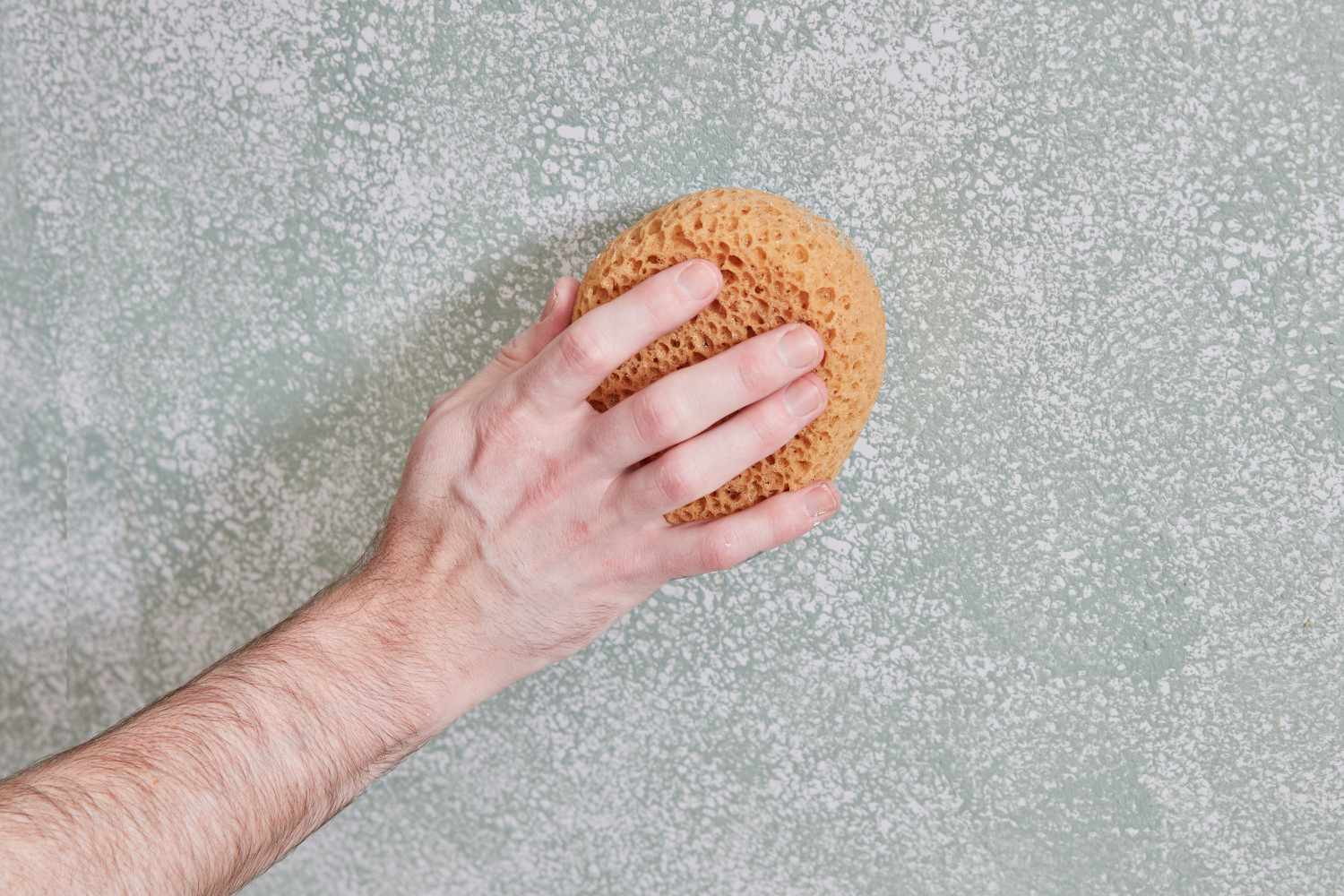
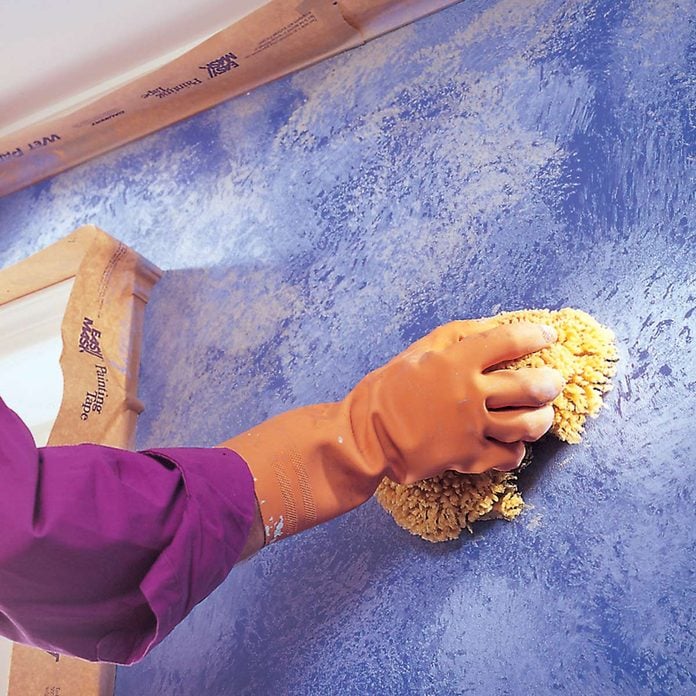
Sponge painting walls is arguably the most accessible of all faux finish techniques, and yet the results can be genuinely stunning. A natural sea sponge is dipped lightly into paint often a shade slightly deeper or lighter than the base coat — and dabbed across the surface in an irregular, organic pattern. Each impression is different. No two walls ever look exactly alike.
The technique works beautifully in living rooms, bathrooms, and feature walls. When executed well with quality emulsions available at Narandas & Sons, sponge painting walls creates a visual texture that photographs cannot fully capture. It has warmth, depth, and a handcrafted quality that no digital print or wallpaper can replicate. It remains one of the most beloved unique wall finish ideas for homeowners who want something truly personal.
Ragging: For Walls That Tell a Story
Ragging is a technique that involves rolling or crumpling a cloth or rag and using it to either apply or remove a layer of wet paint over a base coat. Rag rolling where the cloth is twisted into a cylinder and rolled across the surface, creates a rich, leather-like effect that adds instant character to any room. Ragging off, on the other hand, involves pressing a rag into wet glaze and lifting it away, leaving behind a marbled, organic impression.
As one of the most tactile wall painting techniques India has access to, ragging suits formal dining rooms, libraries, and accent walls in bedrooms. The effect is aristocratic without being cold, and it pairs exceptionally well with wooden furniture and warm-toned flooring. If you are looking for decorative wall finish ideas that make your guests stop and take notice, ragging is a worthy contender.
Stippling: Subtle, Sophisticated, Underrated
Stippling is perhaps the quietest of the three techniques, but it rewards close attention. A stippling brush is used to press gently into a wet glaze coat, creating thousands of tiny dots or marks that, viewed from a distance, produce an almost fabric-like softness on the wall surface. It is one of those decorative paint effects India’s interior designers love for its understated elegance, particularly in master bedrooms and formal sitting areas.
Unlike sponging or ragging, stippling tends to produce a very even, refined texture that suits sophisticated, pared-back interiors. It is a wall painting style interior that flatters both neutral palettes and bolder, jewel-toned rooms.
Why These Techniques Are Worth Reviving
The return of interest in handcrafted, artisanal details in interior design is not a coincidence. Homeowners across India are increasingly seeking unique wall finish ideas that reflect personality and craft rather than mass-produced uniformity. Faux finish techniques answer this need beautifully, they are cost-effective, endlessly customisable, and when paired with premium-quality paints from brands like Berger, Asian Paints, and others available through Narandas & Sons, they deliver results that truly last.
Another reason to revisit these wall painting techniques is their flexibility. Sponging, ragging, and stippling can be executed in any colour palette, from dusty rose and sage green to deep indigo and terracotta. They adapt to every room size, every light condition, and every décor style. They are, in the truest sense, timeless.
How to Get Started
The good news is that none of these decorative paint effects India requires professional expertise beyond a basic level of patience and the right materials. A quality base coat, a complementary topcoat or glaze, and the appropriate tool, sponge, rag, or brush are your starting points. Practice on a small board or an inconspicuous wall section before committing to a full room.
At Narandas & Sons, our team has been guiding homeowners and contractors through paint selections for decades. Whether you are exploring sponge painting walls for the first time or revisiting ragging for a renovation project, we stock the materials and carry the knowledge to help you achieve a result you will be proud of. Visit us in Vadodara or explore our range online to begin your journey into the art of faux finishes.